

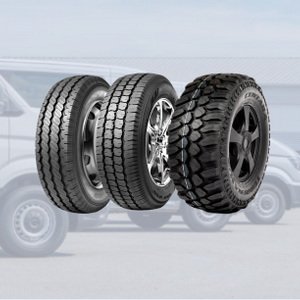
Let me tell you, minivan drivers of the world, your safety might be at risk if you’re not using the right tires. Imagine hauling your family around with tires that aren’t designed to handle your vehicle’s unique weight distribution and handling characteristics. That’s a problem waiting to happen.
The simple answer is yes, minivans do benefit significantly from specialized tires. These vehicles have higher centers of gravity and unique weight distribution compared to cars or SUVs. Specialized minivan tires provide better handling, improved braking distances, and enhanced safety features specifically engineered for these characteristics. When you’re transporting your family, shouldn’t you have tires that are specifically designed for your vehicle type?

But wait, there’s more to this story. Let’s dive deeper into what makes minivan tires special and how to choose the right ones for your needs.
- What makes minivan tires different from other vehicle tires?
Minivan tires are engineered to handle the unique challenges these vehicles present. Unlike cars, minivans have higher centers of gravity, which affects handling and stability. Specialized minivan tires feature reinforced sidewalls to better support this weight distribution.
They also have tread patterns designed for optimal water displacement, crucial for minivans that often carry heavier loads and might be more prone to hydroplaning. Additionally, minivan tires are typically rated for higher load capacities to safely support the vehicle when fully loaded with passengers and cargo.

The construction materials differ too, with more durable compounds to withstand the constant starting and stopping that minivan driving patterns often involve. Some minivan tires even have specialized rubber blends that maintain flexibility in colder temperatures, ensuring consistent performance year-round.
Moreover, the internal structure of minivan tires is reinforced to handle the constant stress of carrying additional weight. This means stronger belts and more robust casing materials compared to standard passenger tires. These design elements work together to provide the stability and safety minivan drivers need.
- How do I know if my minivan needs new tires?
There are several clear indicators that your minivan tires might need replacement. First, check the tread depth using the penny test – if you can see the top of Lincoln’s head when you insert a penny into the tread groove, it’s time for new tires.
Uneven wear patterns can indicate alignment issues or worn suspension components, but they also signal that your tires aren’t providing optimal contact with the road. If you notice vibrations through the steering wheel or seat, this could be a sign of uneven wear or internal damage.

Additionally, if your tires are six years or older, even if they appear to have adequate tread, the rubber may be deteriorating and it’s wise to consider replacement. Finally, any bulges, cracks, or damage to the sidewalls mean immediate replacement is necessary for safety.
Don’t forget to check your tire pressure regularly. If you find yourself constantly adjusting pressure, it might indicate a slow leak or weakening structure. Also, pay attention to how your minivan handles – if it feels less responsive or takes longer to stop, your tires could be the culprit.
- What are the most important safety features in minivan tires?
When shopping for minivan tires, look for several key safety features. All-season traction is crucial, especially if you drive in varied weather conditions. Tires with symmetric tread patterns offer consistent performance across different driving situations.
Check for tires with reinforced sidewalls, which provide better support for your minivan’s higher center of gravity. The load index rating should match or exceed your vehicle’s requirements to ensure safe carrying capacity.

Additionally, consider tires with advanced rubber compounds that maintain grip in both hot and cold temperatures. Some specialized minivan tires even feature run-flat technology, allowing you to drive a short distance if you experience a puncture, enhancing safety when changing a tire might be difficult.
Don’t overlook the importance of proper tread design for water evacuation. Minivan tires with circumferential grooves can channel water away more effectively, reducing hydroplaning risk. Also, look for tires with multiple biting edges in the tread pattern for better snow and ice traction if you drive in winter conditions.
- How often should I replace my minivan tires?
The frequency of tire replacement depends on several factors. Under normal driving conditions, quality minivan tires should last between 40,000 to 60,000 miles. However, this can vary based on your driving habits, the climate you drive in, and how well you maintain your tires.
If you frequently drive on rough roads or carry heavy loads, your tires may wear more quickly. Additionally, if you live in an area with extreme weather conditions, such as heavy snow or constant rain, your tires might need more frequent replacement.

As a general rule, have your tires inspected annually by a professional, and consider replacement every six years regardless of tread wear, as the rubber compounds can deteriorate over time even with minimal use. Many manufacturers recommend this six-year replacement interval for optimal safety.
Also, consider your driving style. Aggressive driving with hard braking and rapid acceleration can significantly reduce tire lifespan. If you’re guilty of lead-foot syndrome, expect to replace your tires more frequently.
- What tire specifications should I look for when buying minivan tires?
When selecting minivan tires, several specifications are crucial. First, match the tire size exactly to your vehicle’s requirements – this information is found in your owner’s manual or on the driver’s side door jamb.
Pay attention to the load index, which indicates the maximum weight the tire can support. For minivans, you’ll typically need a load index of at least 95. The speed rating should be appropriate for your driving needs – H-rated tires are suitable for most minivan applications.

Consider the treadwear rating, with higher numbers indicating longer-lasting tires. Additionally, check the temperature rating, which indicates how well the tire dissipates heat. For optimal performance, look for tires with a temperature rating of A, B, or C, with A being the best.
Don’t overlook the importance of the tire’s construction type. Most minivan tires use radial construction, which provides better fuel efficiency and handling. Also, check for any special features like all-season ratings or severe snow certifications if you drive in specific weather conditions.
- What are the best tire brands for minivans?
Several brands offer excellent options for minivan owners. Major manufacturers like Michelin, Bridgestone, and Goodyear have specialized minivan tire lines that provide exceptional performance and safety.
However, there are also excellent options from brands like Centara, which offers a comprehensive range of tires specifically designed for minivans, SUVs, and other vehicle types.

When evaluating brands, consider factors beyond just price, including warranty coverage, treadwear ratings, and customer reviews specific to minivan applications.
Some brands specialize in all-season performance, while others excel in specific conditions like snow or wet weather. Research which brand offers the best combination of features for your specific driving needs and climate conditions.
Don’t overlook lesser-known brands that might offer comparable quality at better price points. Many emerging tire manufacturers are producing high-quality products that can save you money without compromising safety or performance.
- How can I maintain my minivan tires for maximum lifespan?
Proper maintenance is key to maximizing the lifespan of your minivan tires. Regularly check your tire pressure at least once a month, using a quality gauge rather than just guessing by appearance.
Rotate your tires every 5,000 to 7,000 miles to ensure even wear patterns. Have your vehicle’s alignment checked annually or if you notice unusual wear or pulling sensations while driving.
Regularly inspect your tires for embedded objects, bulges, or cracks. Consider having your tires balanced periodically to prevent vibration issues that can cause uneven wear.

Additionally, avoid aggressive driving behaviors like hard braking and rapid acceleration, which can accelerate tire wear. By following these simple maintenance practices, you can significantly extend the life of your minivan tires while ensuring optimal safety and performance.
Don’t forget to check your spare tire as well. It’s easy to neglect, but you don’t want to discover it’s flat or underinflated when you actually need it. Also, consider keeping a tire repair kit in your minivan for emergencies.
Conclusion
Taking care of your minivan tires isn’t just about maintaining your vehicle – it’s about ensuring the safety of your family and passengers. Specialized tires designed specifically for minivans offer features that generic tires simply can’t match.
Whether you’re choosing new tires or maintaining your current set, remember that the right tires make all the difference in handling, safety, and fuel efficiency. Your minivan deserves tires that are engineered to meet its unique demands, and your peace of mind is worth the investment in quality, specialized rubber.
